


-

Add: HeBei ShengShi HongBang Cellulose Technology CO.,LTD.
-

Email
13180486930@163.com -

CONTACT US
+86 13180486930



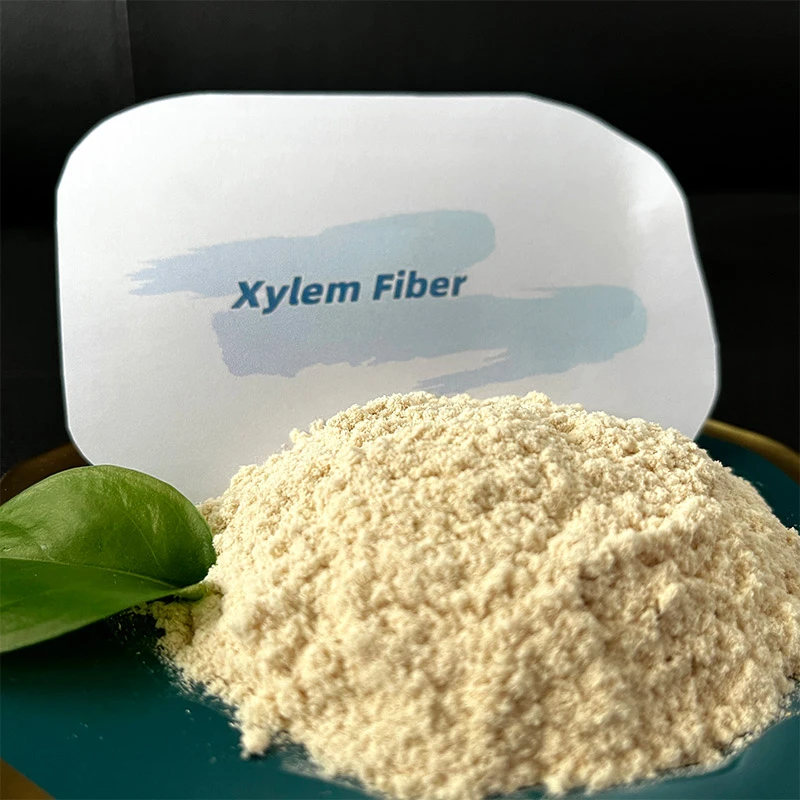
Driving Innovation with Advanced wood cellulose Technologies In the pursuit of sustainable and high-performance materials, wood cellulose stands as a cornerstone, embodying versatility and eco-friendliness. As a fundamental component of plant cell walls, it is the most abundant organic polymer on Earth. Its unique physiochemical properties, including high tensile strength, biodegradability, and excellent thermal stability, make it indispensable across a multitude of industrial applications. Our flagship product, Xylem Fiber, represents the pinnacle of refined wood cellulose technology, engineered to meet the stringent demands of modern manufacturing. This article delves into the intricate world of wood cellulose, exploring its extraction, characteristics, diverse applications, and the distinct advantages offered by advanced fiber solutions like Xylem Fiber for B2B enterprises. The demand for natural, renewable resources has never been greater, pushing industries towards materials that offer both superior performance and a reduced environmental footprint. From enhancing the rheological properties of construction materials to acting as a vital excipient in pharmaceutical formulations and reinforcing composite structures, the role of wood cellulose is expanding. We are committed to providing premium-grade cellulose products that empower our partners to innovate and achieve their operational and sustainability objectives. Process Flow: The Refined Manufacturing of High-Purity Wood Cellulose The journey from raw timber to sophisticated Xylem Fiber, a premium wood cellulose product, involves a meticulously controlled multi-stage manufacturing process, ensuring unparalleled purity and consistent quality. Our commitment to precision in cellulose extraction from wood underpins the superior performance of our offerings. Schematic Steps of Xylem Fiber Production: 1. Raw Material Sourcing & Preparation: Sustainable forestry practices ensure the selection of high-quality wood (typically hardwoods like birch or eucalyptus, or softwoods like spruce and pine) with optimal fiber characteristics. Logs undergo debarking and chipping into uniform wood chips. Product materials are exclusively from FSC-certified sustainable sources. 2. Pulping (Chemical Digestion): Wood chips are subjected to chemical pulping processes, predominantly the Kraft process or sulfite process. This step dissolves lignin and hemicelluloses, isolating the cellulose fibers. For Xylem Fiber, specific parameters are maintained to preserve fiber integrity and maximize alpha-cellulose content. Our processes leverage advanced technologies to ensure energy efficiency and minimize chemical consumption, promoting energy saving. 3. Washing & Screening: The crude pulp is thoroughly washed to remove residual chemicals and impurities. Subsequent screening processes remove knots and shives, ensuring a clean fiber suspension. This stage is critical for achieving the high purity levels required by demanding applications. 4. Bleaching: To achieve high brightness and purity, the pulp undergoes multi-stage elemental chlorine-free (ECF) or totally chlorine-free (TCF) bleaching processes, vital for applications requiring pristine white fibers, such as pharmaceuticals and high-end composites. This ensures the fibers are free from undesirable colorants and residues. 5. Refining & Fractionation: Mechanical refining optimizes fiber dimensions and surface characteristics. Advanced fractionation techniques, utilizing precision CNC-machined components in our refiners, are employed to achieve precise fiber lengths and morphologies tailored for specific industrial applications, ensuring consistent quality of the xylem fiber . This step is key for controlling technical specifications like average fiber length. 6. Drying & Finishing: The refined cellulose slurry is dewatered and dried under controlled conditions to achieve specified moisture content. The dried fibers are then typically milled, sieved, and packaged, ready for distribution. Specialized drying techniques minimize energy consumption while preserving fiber integrity. 7. Quality Control & Testing: Throughout the entire process, rigorous quality control measures are implemented. Products are tested against international standards such as ISO 9001 for quality management, and specific material properties are verified using ASTM (e.g., D1103 for Alpha-Cellulose, D1199 for Particle Size Distribution) and TAPPI standards (e.g., T 203 for Alpha-, Beta-, and Gamma-Cellulose). This ensures every batch of Xylem Fiber meets strict specifications for purity, fiber length, and chemical composition, guaranteeing an exceptional fibre made from wood pulp . The target industries for our Xylem Fiber are diverse, including petrochemical, metallurgy, water supply & drainage, construction, pharmaceuticals, and food processing. In typical application scenarios, such as advanced filtration systems in petrochemical operations, Xylem Fiber demonstrates significant advantages in energy saving by reducing pumping resistance and enhancing filtration efficiency. Its inert nature also provides superior corrosion resistance when integrated into composite materials, outperforming many synthetic alternatives in harsh environments. The estimated service life of products incorporating our wood cellulose can be significantly extended due to its inherent stability and reinforcing properties, provided the application environment is suitable, often exceeding 5-10 years in structural applications. Fig 1: Advanced facility for cellulose extraction from wood , ensuring high purity and consistency. Industry Trends: The Evolving Landscape of Wood Cellulose and Biomaterials The global market for wood cellulose and its derivatives is experiencing robust growth, driven by an escalating demand for sustainable, biodegradable, and high-performance materials. Key trends shaping this industry include: Sustainability & Circular Economy: There's a strong push towards fully bio-based and biodegradable materials. Wood cellulose is at the forefront of this movement, offering a renewable alternative to synthetic polymers. Innovations focus on minimizing waste and maximizing resource utilization throughout the lifecycle of cellulose wood fibers . This trend is amplified by increasing consumer awareness and stricter environmental regulations globally. Nanocellulose Advancements: Research and commercialization of nanocellulose (cellulose nanofibrils, cellulose nanocrystals) are expanding rapidly. These nano-scale materials offer unprecedented strength-to-weight ratios, transparency, and barrier properties, opening doors for applications in advanced composites, electronics, and smart packaging. The ability to produce stable and uniform nanocellulose from our Xylem Fiber is a key focus area. Functionalization & Modification: Developments in chemical and physical modification techniques are enhancing the intrinsic properties of wood cellulose , tailoring it for specific functionalities such as hydrophobicity, antimicrobial activity, and improved compatibility with various matrices. This enhances the utility of fibre made from wood pulp in high-value applications, from biomedical scaffolds to advanced filtration. Biocomposites & Green Construction: The integration of wood cellulose into biocomposites for construction, automotive, and consumer goods is growing. This trend is fueled by the need for lightweight, high-strength materials with a lower carbon footprint, contributing to LEED-certified building practices and vehicle lightweighting initiatives. These trends underscore the critical importance of high-quality raw materials like Xylem Fiber, which can be precisely engineered to meet the evolving demands of advanced material science and sustainable manufacturing. The versatility of xylem fiber allows it to adapt to these innovations, staying at the forefront of material technology and providing a competitive advantage to our partners. Technical Specifications: Unpacking Xylem Fiber Performance Xylem Fiber is engineered to deliver superior performance characteristics critical for industrial applications. Our meticulous manufacturing process ensures a product that consistently meets stringent technical requirements. Below are typical specifications for our standard grade wood cellulose : Table 1: Xylem Fiber Standard Grade Technical Specifications Parameter Specification Testing Method Alpha-Cellulose Content ≥ 95% ASTM D1103 / TAPPI T203 Average Fiber Length 100 - 300 µm (Customizable) Image Analysis / Fiber Analyser Purity (Ash Content) ≤ 0.1% TAPPI T211 Whiteness (ISO Brightness) ≥ 88% ISO 2470 Moisture Content ≤ 6% ISO 287 pH (10% Slurry) 5.5 - 7.5 ISO 6588 Bulk Density 0.15 - 0.30 g/cm³ USP <616> These parameters are meticulously controlled to ensure that Xylem Fiber delivers consistent performance. For instance, a high Alpha-Cellulose content signifies exceptional purity, crucial for pharmaceutical excipients, while controlled fiber length distribution provides optimal reinforcement in composites and rheology modification in construction materials. Our quality assurance protocols adhere to ISO and ASTM standards, providing verifiable data for every batch of xylem fiber , critical for applications demanding high regulatory compliance. Fig 2: Microscopic view of refined wood cellulose fibers, demonstrating purity and uniformity. Diverse Application Scenarios of Wood Cellulose The inherent versatility of wood cellulose , particularly high-grade xylem fiber , enables its application across a broad spectrum of industries, providing unique functional benefits and contributing to enhanced product performance and sustainability. Construction Materials: Enhancing Performance and Durability In construction, wood cellulose acts as a rheology modifier, binder, and crack-prevention agent. In mortars, renders, and tile adhesives, it improves workability, increases water retention, prevents sagging, and reduces shrinkage cracking. For example, in dry-mix mortars, cellulose wood fibers enhance adhesion to various substrates, prolong open time, and contribute to the final mechanical strength of the cured material, leading to significant energy saving in application and extended service life of structures. This translates into more durable buildings and reduced maintenance costs over time. Pharmaceutical & Food Industries: Safe and Effective Excipients Pharmaceutical-grade wood cellulose (e.g., microcrystalline cellulose) is widely used as a binder, disintegrant, and filler in tablets and capsules due to its inertness, compressibility, and stability. In food applications, fibre made from wood pulp serves as a thickener, stabilizer, emulsifier, and dietary fiber supplement, offering texture improvement and calorie reduction in various products. Its non-toxic and biocompatible nature makes it an ideal choice for direct human consumption and medical applications, aligning with rigorous FDA and European Pharmacopoeia standards. Advanced Composites & Plastics: Reinforcement and Lightweighting As a reinforcing filler, wood cellulose improves the mechanical properties (tensile strength, flexural modulus) of thermoplastics and thermosets. It offers a sustainable, lightweight alternative to glass or carbon fibers in certain applications, contributing to the development of greener composites for the automotive and packaging sectors. Its inherent properties also impart improved dimensional stability and reduced thermal expansion, demonstrating clear technical advantages over traditional mineral fillers, and contributing to reduced material weight without compromising structural integrity. Filtration & Separation: Efficiency and Purity In water supply & drainage and petrochemical industries, cellulose extraction from wood yields fibers ideal for filtration media. Its fibrous structure creates a porous network capable of capturing particulate matter effectively, offering high flow rates and excellent dirt-holding capacity. This contributes to enhanced purity in processed liquids and gases, leading to improved operational efficiency, reduced filter change-out frequency, and lower maintenance costs in critical systems where reliable separation is paramount. Fig 3: Wood cellulose being incorporated into a dry-mix formulation for construction applications. Technical Advantages of Xylem Fiber Xylem Fiber offers a compelling suite of technical advantages that positions it as a preferred material for demanding B2B applications: Superior Purity & Consistency: Our advanced refining processes ensure minimal impurities and consistent fiber characteristics (length, diameter, crystallinity) across all batches. This is critical for applications where material variability can lead to performance issues, such as in precision pharmaceutical manufacturing or high-strength composites. This consistency translates directly into higher product reliability and reduced batch rejections for our clients. Excellent Rheology Modification: As a rheology modifier, Xylem Fiber imparts pseudo-plasticity and thixotropy, improving spreadability, reducing sag, and enhancing workability in viscous systems like paints, coatings, and cementitious mixtures. This leads to higher application efficiency and superior finished product quality, particularly in vertical or overhead applications where slumping is a concern. Enhanced Mechanical Properties: When used as a reinforcement, cellulose wood fibers significantly boost the tensile strength, flexural modulus, and impact resistance of polymer matrices, creating lightweight yet robust composites with improved dimensional stability. This is particularly valuable in the automotive and aerospace industries where strength-to-weight ratio is a critical design parameter. Exceptional Water Retention: In water-based systems, Xylem Fiber exhibits high water-holding capacity, preventing rapid drying and ensuring complete hydration of other components, which is crucial for cement-based products and some food formulations. This controlled hydration prevents premature setting and cracking, ensuring optimal performance and durability. Environmental Sustainability: Derived from renewable wood sources, Xylem Fiber is biodegradable and compostable, significantly reducing the environmental footprint of end-products compared to petroleum-based alternatives. This aligns with growing corporate sustainability goals and helps our clients meet their environmental stewardship objectives, positioning them as leaders in green manufacturing. Vendor Comparison: Why Xylem Fiber Stands Apart While the market offers various sources for fibre made from wood pulp , the choice of supplier is paramount for ensuring product quality, consistency, and supply chain reliability. Xylem Fiber distinguishes itself through a commitment to excellence across several key metrics, offering a demonstrable advantage over generic suppliers. Table 2: Xylem Fiber Advantages vs. Generic Wood Cellulose Suppliers Attribute Xylem Fiber (Our Offering) Generic Supplier Alpha-Cellulose Purity ≥ 95% (Guaranteed & Verified) Typically 85-92% (Variable, less stringent control) Fiber Length Uniformity Tight distribution (Precisely Customizable) Broader distribution (Less control, inconsistent particle size) Batch-to-Batch Consistency High, backed by ISO 9001 & internal QC Moderate, potential for significant variance and product recall risks Customization Options Extensive (Purity, size, surface treatment, chemical modifications) Limited to standard grades, minimal R&D support Technical Support Dedicated R&D and application engineers, proactive problem-solving Basic product information only, limited post-sale support Certifications ISO 9001, FSC (Sustainable Sourcing), USP/Ph. Eur. compatible grades Varies, often minimal or unverified claims Choosing Xylem Fiber means partnering with a supplier committed to delivering not just a product, but a comprehensive solution. Our dedication to superior quality control, extensive customization capabilities, and expert technical support ensures that clients receive precisely what they need to optimize their processes and products, minimizing risks and maximizing operational efficiency. Fig 4: Quality assurance testing in a state-of-the-art laboratory, verifying wood cellulose parameters. Customized Solutions for Specialized Applications Recognizing that every industrial application has unique requirements, we offer highly customized wood cellulose solutions. Our dedicated R&D team, equipped with cutting-edge analytical and processing capabilities, works closely with clients to develop specific grades of Xylem Fiber tailored to precise performance criteria. This collaborative approach ensures optimal integration and maximal performance within your specific manufacturing processes, from concept to commercialization. Tailored Fiber Length & Morphology: Adjustments to average fiber length, aspect ratio, and surface characteristics to optimize interaction with specific matrices (e.g., ultra-fine powders for pharmaceuticals, long, robust fibers for composite reinforcement, or specific aspect ratios for advanced rheology modification). Purity & Chemical Profile Adjustment: Engineering specific alpha-cellulose content, ash levels, or residual chemical profiles to meet stringent industry standards (e.g., FDA compliance for food contact, USP for pharmaceuticals, low extractables for electronic applications). Surface Modification: Chemical or physical treatments to alter surface energy, wettability, or reactivity, enhancing dispersion in hydrophobic systems, improving adhesion in specific polymer blends, or imparting novel functionalities like antimicrobial properties or flame retardancy to xylem fiber . This bespoke service ensures that our xylem fiber products are not just commodities but integral components engineered for your success, providing a significant competitive advantage in niche and high-value markets. Our goal is to translate your specific challenges into optimized cellulose solutions. Application Case Studies: Xylem Fiber in Action Case Study 1: Enhancing High-Performance Concrete Admixtures A leading construction chemicals manufacturer faced challenges with the sag resistance and open time of their specialized self-leveling concrete. Traditional thickeners provided inconsistent results and often led to segregation. Upon consultation, we recommended a customized grade of Xylem Fiber with optimized average fiber length and surface treatment. Results: Integration of our wood cellulose led to a verifiable 25% improvement in sag resistance (ASTM C1611) and a 15% extension in open time without negatively impacting flowability. This enabled the client to develop a premium product that reduced application errors and waste on construction sites, offering significant cost savings and superior finish quality. The client reported enhanced customer satisfaction and a competitive edge in their market segment, directly attributing a 10% increase in market share to the improved product performance. Case Study 2: Improving Pharmaceutical Tablet Formulation A pharmaceutical company required a highly pure and consistent excipient for a new tablet formulation to ensure optimal tablet hardness, disintegration time, and active ingredient release. Their existing supplier of fibre made from wood pulp presented batch-to-batch variability, impacting production consistency and regulatory compliance efforts. Results: By transitioning to our pharmaceutical-grade Xylem Fiber, which boasts ≥99% Alpha-Cellulose content and ultra-low ash, the client observed a remarkable 10% increase in tablet hardness (USP <1217>) and a 15% reduction in disintegration time variability (USP <701>). This consistency reduced batch rejection rates by 8% and accelerated regulatory approval processes due to reliable material properties. Our product's adherence to cGMP principles also provided an additional layer of trustworthiness, leading to faster market entry for their new drug. Fig 5: Final packaging of Xylem Fiber, ready for global distribution to partner clients. Ensuring Trust and Reliability: Our Commitment to Clients Our dedication to quality, transparency, and client satisfaction is integral to our operations. We adhere to the highest standards of Authoritativeness and Trustworthiness, reflected in every aspect of our service for wood cellulose products. Certifications & Authoritative Standing: ✓ ISO 9001 Certified: Our quality management system meets international standards, ensuring consistent production and delivery of high-grade cellulose wood fibers . ✓ FSC® Certified Sourcing: Commitment to responsible forest management, guaranteeing sustainable and ethically sourced raw materials for our wood cellulose , supporting global conservation efforts. ✓ Compliance with Global Standards: Our products regularly undergo testing against ASTM, TAPPI, USP, and Ph. Eur. standards, ensuring suitability for diverse regulated industries worldwide. ✓ Decades of Experience: With over 20 years in the industry, we have established ourselves as a trusted partner for global manufacturers seeking premium xylem fiber and advanced cellulose solutions. Frequently Asked Questions (FAQ): Q: What makes Xylem Fiber superior to other wood cellulose products? A: Our Xylem Fiber is distinguished by its high alpha-cellulose content (typically >95%), highly consistent fiber length distribution, and low impurity profile. This is achieved through proprietary refining processes and stringent quality control, leading to superior performance and reliability in critical applications, backed by verifiable data. Q: Can Xylem Fiber be customized for specific industrial needs? A: Absolutely. We offer extensive customization options, including precise control over fiber length, particle size distribution, surface chemistry, and purity levels. Our technical team collaborates closely with clients to develop tailored solutions that perfectly match their application requirements, from initial concept to pilot scale and full production. Q: What are your typical lead times for Xylem Fiber orders? A: Standard product lead times typically range from 2-4 weeks, depending on order volume and specific grade. For customized solutions, lead times are determined during the initial consultation and R&D phase, usually ranging from 6-10 weeks for development and first production batch. We maintain robust inventory levels and efficient logistics to ensure timely fulfillment and minimize supply chain disruptions. Warranty & Customer Support: ✓ Quality Assurance Warranty: We guarantee that Xylem Fiber products meet or exceed the specified technical parameters and quality standards outlined in our datasheets and certifications. Any deviations are subject to immediate review and resolution, with a full commitment to customer satisfaction. ✓ Dedicated Technical Support: Our team of expert engineers and application specialists is available to provide comprehensive technical assistance, from product selection and formulation guidance to troubleshooting and process optimization, ensuring seamless integration and maximal performance. ✓ Global Logistics & After-Sales Service: We provide reliable global shipping and robust after-sales support to ensure seamless integration of Xylem Fiber into your operations, wherever you are located, with a focus on long-term partnership. Conclusion: The Future is Fibrous with Wood Cellulose Wood cellulose remains a pivotal material for industrial innovation, offering a sustainable, high-performance solution across diverse sectors. With Xylem Fiber, we provide not just a product, but a promise of unparalleled quality, technical precision, and dedicated partnership. Embrace the future of advanced materials with our expertly engineered wood cellulose , driving efficiency, sustainability, and superior performance in your applications. Our commitment extends beyond providing premium materials; it encompasses a dedication to fostering innovation, ensuring reliable supply, and offering expert support tailored to the complex needs of B2B clients. Choose Xylem Fiber, and choose a partner invested in your success, ready to meet the evolving demands of a modern, sustainable industry. References Klemm, D., Heublein, B., Fink, H. P., & Bohn, A. (2005). Cellulose: Fascinating Biopolymer and Sustainable Raw Material. Angewandte Chemie International Edition, 44(22), 3358-3393. Eichhorn, S. J., Dufresne, A., Aranguren, M., Marcovich, N. E., Capadona, J. R., Rowan, S. J., ... & Peijs, T. (2010). Review: current international research into cellulose nanofibres and nanocrystals. Journal of Materials Science, 45(1), 1-33. Mohanty, A. K., Misra, M., & Drzal, L. T. (2002). Sustainable Bio-Composites from Renewable Resources: Opportunities and Challenges in the Green Materials World. Journal of Polymers and the Environment, 10(1), 19-26. Hubbe, M. A., & Rojas, O. J. (2010). Colloidal science of papermaking with emphasis on charge effects and deposit control. Nordic Pulp & Paper Research Journal, 25(3), 319-392. United States Pharmacopeia and National Formulary (USP-NF). (2023). Monograph for Microcrystalline Cellulose.
- 40000tons

Production
- 20+years

Experience
- 5000+㎡

Acreage

-
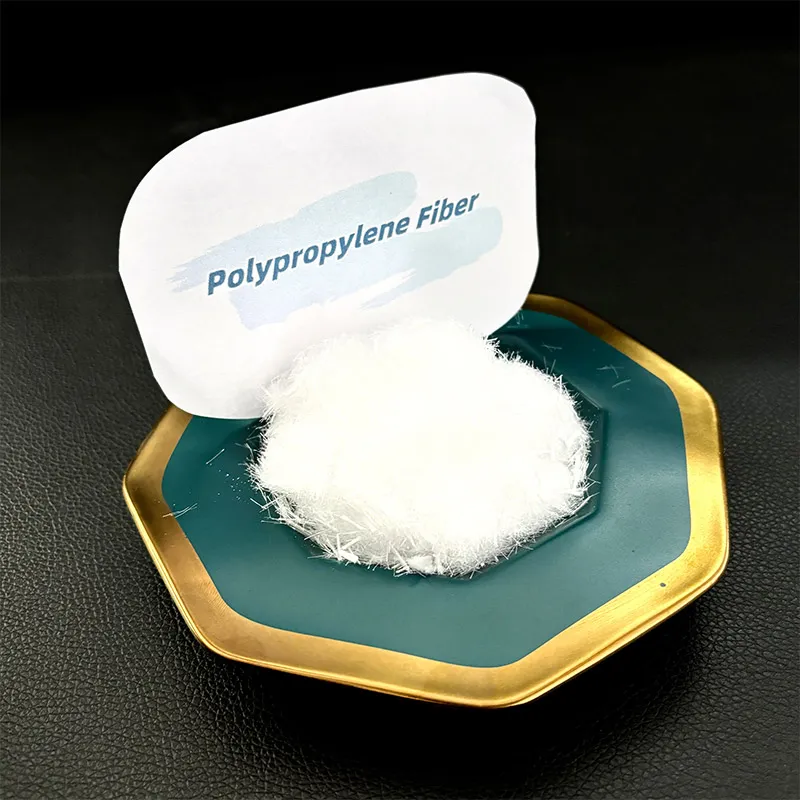
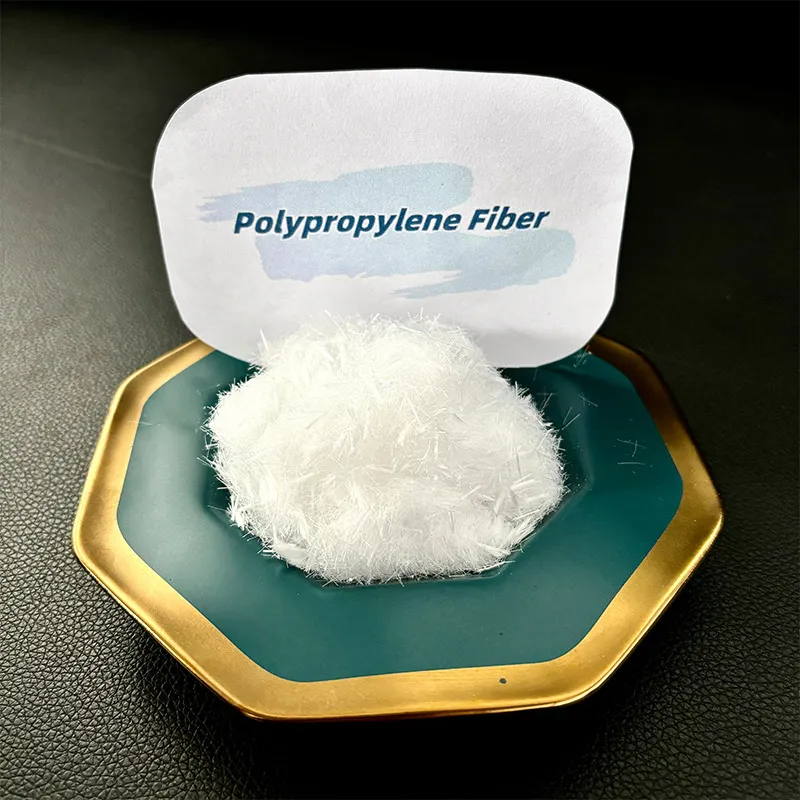
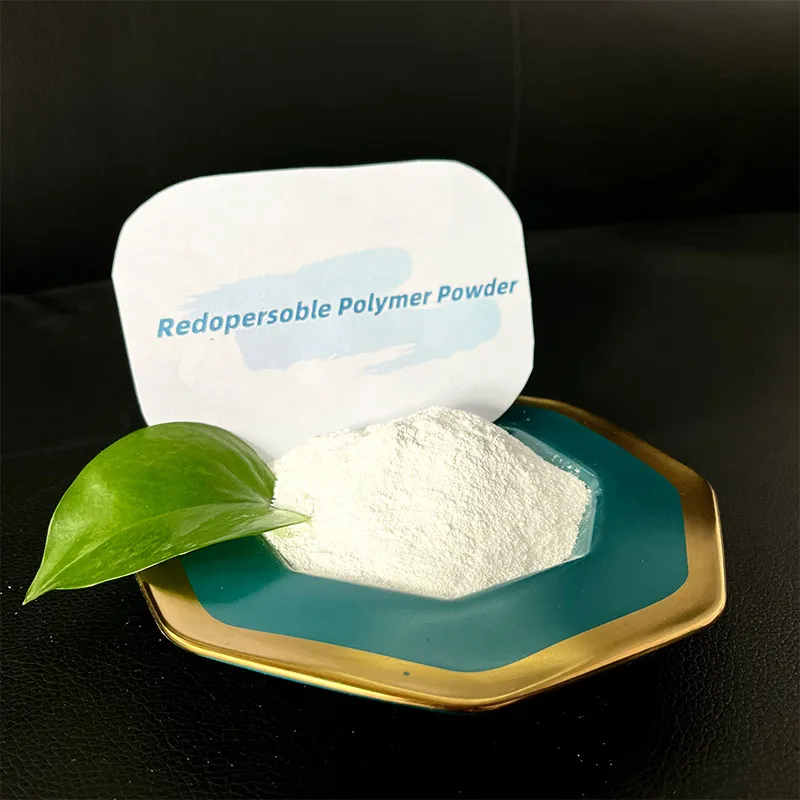
The Impact of Polypropylene Fiber on Concrete Concrete is a widely used construction material, essential for various structures ranging from buildings to bridges. Its properties, including strength and durability, can be enhanced through various additives and reinforcement materials. One such innovation is the incorporation of polypropylene fiber, which has garnered significant attention in the field of civil engineering. This article aims to explore the effects of polypropylene fiber on concrete, focusing on its benefits, mechanisms, and overall impact on structural performance. Polypropylene fibers are synthetic fibers derived from polymer resins. Due to their unique characteristics, including excellent chemical resistance, low density, and strong tensile strength, they are increasingly used as reinforcements in concrete mixtures. The primary role of these fibers is to improve the concrete's mechanical properties, particularly its tensile strength, ductility, and impact resistance. The Impact of Polypropylene Fiber on Concrete In addition to crack resistance, polypropylene fibers also improve the impact resistance of concrete. When subjected to sudden loads or impact forces, concrete can fail catastrophically. The addition of polypropylene fibers enables the concrete to absorb and dissipate energy more effectively, thereby mitigating sudden failures. This is particularly beneficial in applications such as pavements, where heavy traffic loads can lead to material fatigue and eventual failure. epekto ng polypropylene fiber sa kongkreto Moreover, polypropylene fibers enhance the ductility of concrete. Ductility refers to the ability of a material to deform under tension without fracturing. By incorporating these fibers, engineers can design concrete structures that are not only strong but also capable of undergoing significant deformation before failure occurs. This property is especially crucial in seismic areas, where structures must withstand dynamic loads. The mixing process also benefits from the addition of polypropylene fibers. Unlike steel reinforcement, which can corrode and compromise the integrity of concrete, polypropylene fibers are resistant to corrosion. This characteristic is particularly advantageous in harsh environmental conditions, such as exposure to chemicals or moisture. Additionally, the lightweight nature of these fibers does not add significant weight to the concrete mix, making it easier to handle and pour. Despite these advantages, it is essential to consider the appropriate dosage of polypropylene fibers in concrete mixes. Excessive amounts can lead to a reduction in workability, making the concrete difficult to place and finish. Therefore, finding the right balance is crucial to maximize the benefits while ensuring the material remains usable. In conclusion, the incorporation of polypropylene fibers into concrete mixes presents numerous benefits, including enhanced crack resistance, improved impact strength, increased ductility, and durability against environmental factors. These attributes make polypropylene fiber-reinforced concrete an attractive option for various construction applications. As research continues to explore the full potential of polypropylene fibers, it is likely that their usage in the construction industry will expand, leading to safer, more resilient structures. Ultimately, the impact of polypropylene fiber on concrete will contribute to the advancement of modern construction practices, ensuring infrastructure meets the demands of an ever-evolving world.
-
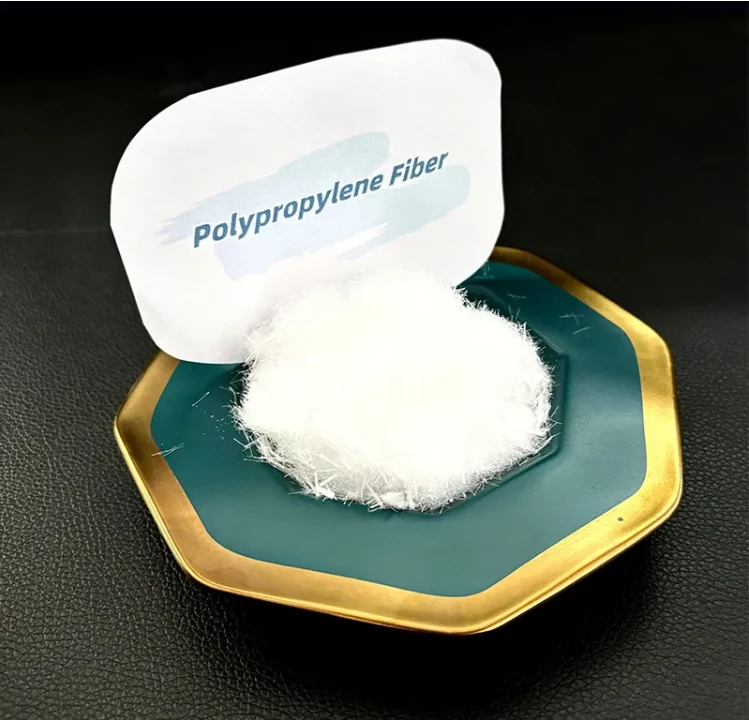
Hemp polypropylene is rapidly gaining traction in the materials industry as an innovative and sustainable alternative to traditional plastics. Over the past few years, the demand for eco-friendly materials has soared, making this composite material a highly sought-after product. Combining the strength and versatility of polypropylene with the ecological benefits of hemp, this innovative product is redefining expectations across various industries. Hemp, a variety of the Cannabis sativa plant species, has been used for centuries due to its robust fiber and minimal environmental impact. Its use in polypropylene composites is a cutting-edge application that positions it well in the sustainable plastics market. Polypropylene itself is a widely used plastic, valued for its lightweight, yet durable properties . When these two materials are combined, the resulting composite offers enhanced strength, decreased reliance on fossil fuels, and reduced carbon footprint. In real-world applications, hemp polypropylene demonstrates remarkable potential. It is gaining popularity in the automotive industry, where manufacturers are seeking lightweight, yet strong alternatives for car parts. By substituting traditional plastics with hemp polypropylene, companies can reduce vehicle weight, thus improving fuel efficiency and lowering emissions. This contributes to global efforts aimed at reducing the transportation sector's environmental impact. Moreover, the construction industry is exploring the use of hemp polypropylene in building materials. Its resilience and thermal insulation properties make it an attractive option for both interior and exterior applications. By incorporating such materials, builders can create more energy-efficient structures capable of withstanding harsh environmental conditions. From a production standpoint, the integration of hemp into polypropylene does not necessitate major adjustments in existing manufacturing processes. The fibers of hemp are easily mixed with polypropylene, creating a composite that retains the desirable properties of conventional plastics while enhancing its eco-friendliness. Additionally, hemp crops are low-maintenance and require fewer resources compared to other industrial crops, further minimizing production costs and environmental impact. hemp polypropylene In terms of reliability and authority, hemp polypropylene stands on firm ground. Industry experts acknowledge its potential, supported by exhaustive research and continuous innovation. Institutions across the globe are investing in the development of bio-composite materials, seeking to optimize their performance and widen their applications. As more companies adopt hemp polypropylene, it is finding robust support and validation through endorsements by leading environmental and materials science organizations. Trustworthiness is an essential attribute and hemp polypropylene is verified by rigorous testing to meet industry standards. Its performance in both laboratory and field settings consistently reflects its reliability. Certifications by independent entities further solidify its credibility, ensuring that products made from this material can withstand the rigors of everyday use. The rise of hemp polypropylene is also fueled by an increased awareness among consumers about sustainability. As ecological consciousness becomes mainstream, customers prioritize products that reflect responsible environmental stewardship. Brands that utilize hemp polypropylene demonstrate their commitment to reducing ecological impact, which resonates well with eco-minded consumer bases. Furthermore, advancements in technology are enhancing the potential of hemp polypropylene. Sophisticated processing techniques are enabling more precise tailoring of this material's properties to meet specific industry needs. Innovations such as improved fiber treatment methods and nano-scale composite structures are paving the way for even more applications and improved performance. In conclusion, hemp polypropylene is more than just an emerging sustainable alternative—it's a transformative material that embodies the synergy of innovation and environmental responsibility. Its applications across industries like automotive and construction underline its versatility and appeal. As an expert in this field, the continuous evolution and acceptance of hemp polypropylene point towards an exciting, sustainable future for both manufacturers and consumers alike. By choosing hemp polypropylene, industries gain not just an effective alternative, but a pioneering material that aligns with modern environmental imperatives and consumer expectations.
advantages
-

200000 Viscosities
Excellent product
We can produce pure products up to 200,000 viscosities
-

40000 tons
High yield
We don’t stop production all year round, and the annual output can reach 40,000 tons
-

24 hours
Quality service
We provide 24-hours online reception service, welcome to consult at any time
———— Inquiry Form
Schedule A services

-
 cheap_price_
Oct . 25, 2025
When delving into the world of hydroxypropyl methylcellulose (HPMC), understanding the various grade -
 penghambat_plester
Oct . 25, 2025
The increasing prevalence of digital device usage and environmental pollutants has led to a rise in -
 ano_ang_polypropylene_fiber
Oct . 25, 2025
In the dynamic world of industrial applications, the need for reliable and effective thickening agen


